
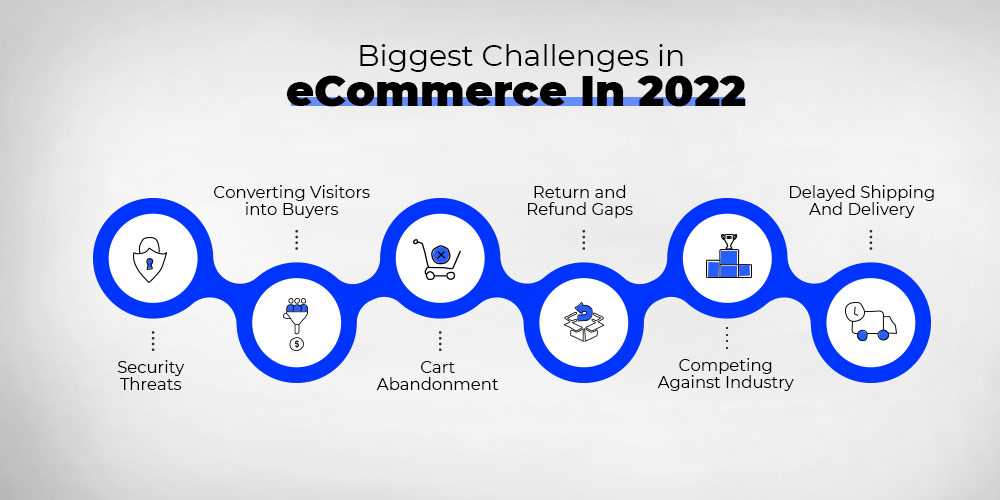
Most e-commerce businesses focus heavily on marketing, product pages, and advertising performance. Yet one of the biggest factors influencing customer satisfaction and profitability often receives far less attention: shipping.
Shipping is no longer just a fulfillment task happening in the background. It directly impacts conversion rates, cart abandonment, customer trust, and operational costs. As customer expectations continue to rise, businesses are under pressure to provide accurate rates, flexible delivery options, and predictable shipping experiences.
This is where a modern ecommerce shipping solution becomes essential—not simply as a logistics tool, but as part of the entire customer experience.
The Growing Expectations Around Checkout
Today’s online shoppers expect more than just fast delivery. They want transparency and control during checkout.
Customers typically expect:
- Accurate shipping costs
- Multiple delivery options
- Estimated delivery dates
- Clear information about taxes and duties
- Convenient pickup alternatives
When this information is missing or inaccurate, trust decreases quickly. In many cases, customers abandon their carts before completing the purchase.
Why Traditional Shipping Setups Often Fail
Many online stores still rely on basic shipping configurations that were designed for simpler operations. These setups may work initially, but they become limiting as businesses grow.
Flat-Rate Shipping Problems
Flat-rate shipping can lead to:
- Overcharging customers
- Absorbing unexpected carrier costs
- Inconsistent profitability
This becomes especially problematic for stores with products of varying sizes and weights.
Limited Checkout Flexibility
Customers have different priorities. Some care about speed, while others focus on cost savings. Stores that offer only one or two options reduce customer choice.
Manual Shipping Processes
As order volume increases, manually handling shipping rules, labels, and carrier selection becomes inefficient and error-prone.
Shipping Accuracy Directly Affects Profitability
Many businesses underestimate how much inaccurate shipping calculations affect their margins.
Even small miscalculations multiplied across hundreds or thousands of orders can create significant losses over time. Problems often come from:
- Incorrect package dimensions
- Poor packaging logic
- Outdated shipping rates
- Lack of dimensional weight calculations
Improving shipping accuracy is not just about customer experience—it’s also about protecting profitability.
The Importance of Real-Time Shipping Rates
Real-time shipping calculations have become increasingly important for modern e-commerce stores.
Instead of relying on estimates, real-time systems calculate costs based on:
- Product dimensions and weight
- Destination
- Carrier pricing
- Delivery methods
This creates a more transparent checkout experience and reduces unexpected costs for both merchants and customers.
Delivery Dates Have Become a Conversion Factor
Customers now expect delivery timelines before completing a purchase. Unclear delivery expectations create hesitation.
Displaying estimated delivery dates helps:
- Increase customer confidence
- Reduce support inquiries
- Improve purchase decisions
For many shoppers, knowing when an item will arrive is just as important as the shipping price itself.
International Shipping Adds Another Layer of Complexity
Cross-border e-commerce introduces additional challenges:
- Duties and taxes
- Customs delays
- Carrier restrictions
- Multiple shipping providers
Unexpected import costs are one of the biggest frustrations for international customers. Showing duties and taxes upfront creates a more predictable experience and reduces disputes after delivery.
Why Flexible Shipping Rules Matter
As businesses scale, shipping logic becomes more advanced. Not every product or order should follow the same shipping rules.
Modern shipping systems allow businesses to:
- Restrict methods based on product type
- Apply region-specific shipping conditions
- Offer free shipping under certain rules
- Add surcharges for oversized items
- Prioritize specific carriers
This flexibility allows stores to optimize both costs and customer experience.
The Role of Smart Packaging in Cost Optimization
Packaging decisions have a direct effect on shipping expenses. Many stores lose money because they underestimate dimensional weight charges or inefficient packaging strategies.
Smarter packaging logic helps businesses:
- Improve rate accuracy
- Reduce oversized package fees
- Optimize shipping costs automatically
For growing stores, this can create substantial long-term savings.
Automation Is Becoming Essential
Manual shipping management may work for small stores, but it becomes unsustainable at scale.
Automation helps businesses:
- Generate labels automatically
- Select carriers based on predefined conditions
- Update tracking information instantly
- Handle multi-origin shipments more efficiently
This reduces operational workload while improving consistency.
Shipping Should Be Part of the Customer Experience Strategy
The most successful e-commerce brands no longer treat shipping as a backend process. They treat it as part of the shopping experience itself.
A smooth checkout experience with accurate rates, flexible delivery methods, and transparent information can:
- Increase conversions
- Build customer trust
- Encourage repeat purchases
- Reduce abandoned carts
Shipping is often one of the final interactions before purchase. Small improvements at this stage can have a measurable impact on overall business performance.
Final Thoughts
E-commerce shipping has evolved far beyond simple delivery management. Customers expect accuracy, flexibility, and transparency at every stage of checkout.
Businesses that continue relying on outdated shipping setups often struggle with hidden costs, operational inefficiencies, and lower conversion rates. On the other hand, stores that invest in smarter shipping workflows gain a competitive advantage through better customer experiences and more predictable operations.
As online retail becomes more competitive, optimizing shipping is no longer optional—it’s a critical part of sustainable e-commerce growth.